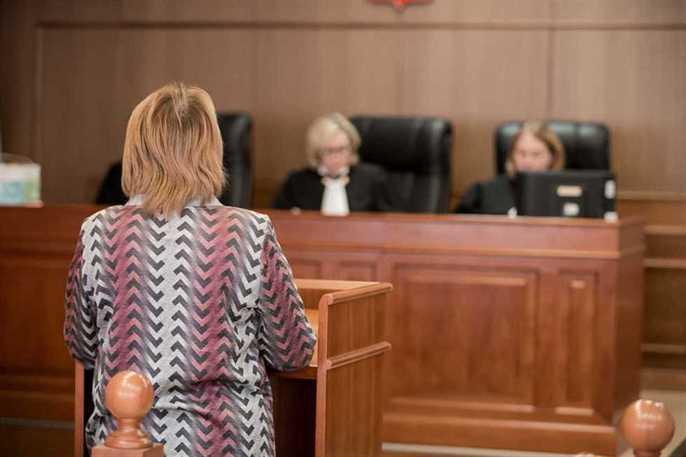
Pleading Guilty In Manitoba

You’re given two choices when you’re charged with a crime:

The first is to plead guilty and accept the charges brought against you. When you plead guilty, you confirm that you committed a crime with intent. 

Or, you can plead not guilty and deny that you’ve committed the acts that you are accused of. After this statement is entered, a trial will be held, in which the Crown will try to prove that you committed the crime beyond a reasonable doubt. 

Deciding what to plead is seldom a clear-cut decision. There are several factors to consider before you make your statement. Here are a few facts to take into account before you decide how to plead:

What Happens When I Plead Guilty?

It’s important to know the consequences of pleading guilty before you do so. 

The first is that no trial will be held to prove that you were responsible for breaking the law. Next, you will be sentenced. The judge will decide on a punishment for the crimes you have admitted to.  

The court will consider whether the accused person pleads guilty when they are determining a sentence. This is because pleading guilty will eliminate the need for a trial and thereby reduce strain on the justice system. It also shows that one has taken responsibility for their wrongdoings, which can be helpful for the victim and their family. As a result, pleading guilty can help decrease one’s sentence.

One thing to note about pleading guilty is that once you do so, it is very difficult to withdraw this claim. That’s why you must weigh your options carefully before making your decision.

What Sentences Could I Receive?

Once you plead guilty, the judge will decide on your sentencing and conviction. You may receive one or more of the following, depending on the severity of the crime:

  • A criminal record 
  • A fine
  • Probation
  • Jail time
  • Mandated community service

It’s important to understand these consequences before you plead guilty and forgo your right to a trial.

How Do I Plead Guilty?

During the court process, the list of charges brought against you will be read aloud. This is called an arraignment

Before you plead guilty, the court clerk or judge will ask a series of questions to make sure that you understand your options. They will ask if you are pleading guilty voluntarily, or if you have been coerced/forced by another party. Next, they will remind you that if you admit guilt, no trial will be held. Finally, they will state that a guilty plea certifies that you admit to committing the charges brought against you. The judge will then ask how you plead to these charges. At this point, you will be able to state if you agree with the facts of the case or not. 

Whether you should plead guilty or not guilty is a complicated choice. Given the legal ramifications of criminal charges, this is not a decision you should make lightly. If you have been charged with a crime, you need a Winnipeg criminal defence attorney on your side. The lawyers at Brodsky Amy & Gould can help you understand all the options available to you, and decide if pleading guilty is in your best interests.

The post Pleading Guilty In Manitoba appeared first on Brodsky Amy & Gould.
source https://gregbrodsky.ca/pleading-guilty-in-manitoba/?utm_source=rss&utm_medium=rss&utm_campaign=pleading-guilty-in-manitoba

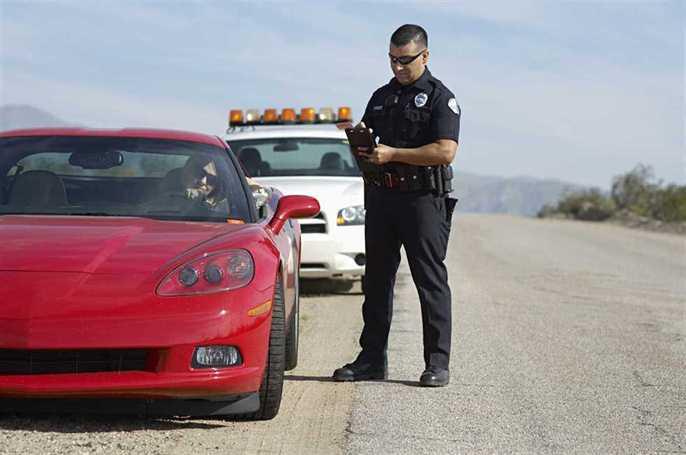
Criminal Code Driving Offences

If you’ve ever been issued a minor speeding ticket, you may have wondered what a serious driving offence would look like. In Canada, there are a range of driving-related criminal charges. They can result from breaking traffic laws or endangering others with a vehicle. The Criminal Code of Canada includes a list of offences that can be punishable by issuing fines, suspending one’s licence, or jail time. In this post, we will cover some of the driving offences that fall under the Criminal Code:  

Driving While Impaired

This charge applies to those who are caught driving while under the influence of drugs (prescription or illegal) and/or alcohol. If the offender causes bodily harm, they can receive a prison sentence—if it causes death, it may result in life in prison. 

Careless Driving

A driver may receive this charge if they are driving without paying attention. Examples of careless driving include swerving into other lanes, driving past stop signs, and tailgating other vehicles. Those who are charged with careless driving typically receive a fine, demerits on their licence, or several months in jail. 

Dangerous Driving

One who is charged with dangerous driving is considered a threat to public safety. It describes the reckless handling of a motor vehicle that puts others in danger; one example is speeding in a school zone. Depending on how serious the offence is, the penalties range from 2 years in prison to upwards of 10. In Manitoba, your licence may be suspended for several years. Since this is considered a criminal offence, it will result in a criminal record. 

Criminal Negligence

Driving without regard for the lives of others is considered criminal negligence. These charges are the most serious of driving offences and therefore have the greatest ramifications. If the driver caused harm to other people, the severity of the charge increases. Criminal negligence that causes death can result in a charge of vehicular manslaughter. 

Driving While Your Licence Is Suspended

A driver’s licence may be disqualified for several reasons, such as driving under the influence or causing a traffic accident. One who is caught driving without a valid licence has committed a criminal offence that may warrant a fine or jail time.  

Failure To Stop At An Accident

If you are involved in a collision, you are required to pull over and offer your identification. You should also provide help to those at the scene and call an ambulance if necessary. A driver who is found guilty of disobeying this requirement will be charged.  

Street Racing 

Behaviour such as racing other vehicles or performing car stunts/tricks that endanger others is a criminal offence. Similar to the charges listed above, the penalties are more severe if the offence causes bodily harm to others.

In Canada, the punishments for these offences can be serious. They may result in the suspension of your license, a fine, or even jail time. Are you looking for a driving offence lawyer in Winnipeg? A criminal lawyer can help you with your case. Contact the office of Brodsky Amy & Gould for legal representation. 

The post Criminal Code Driving Offences appeared first on Brodsky Amy & Gould.

source https://gregbrodsky.ca/criminal-code-driving-offences/?utm_source=rss&utm_medium=rss&utm_campaign=criminal-code-driving-offences

Children Are Different: Sentencing Juveniles As Adults

Is it fair to sentence a child to a life in jail for a crime they committed during their youth? Around the world, criminal justice systems have grappled with this question and the answer still remains unclear. Should children who commit crimes be tried as juveniles, or as adults? In this post, we’re going to look at the way minors are treated in Canada’s criminal justice system:

Part of Canadian federal law is the Youth Criminal Justice Act or YCJA. It applies to those aged 12 to 17. This Act recognizes that children lack the maturity of adults; rather than solely punishing them, it seeks to help youth understand their actions and become upstanding members of society. The Act states that the identity of the child must be protected from the media. Judges want the minor to understand they are responsible for their crime and choose sentences that will rehabilitate them. But in the YCJA, it states that for serious circumstances, children can be tried as adults. It does specify that if a child receives a life sentence, they cannot begin serving it in an adult prison until they are 18 years of age.

Others believe that it is wrong to try a child in adult court since they are still developing. A minor’s brain does not function the same as an adult’s when it comes to making decisions, exercising judgement, and anticipating consequences. As such, the punishments and rehabilitative measures should be different. But there is a danger to trying children as juveniles exclusively. It can give the impression that children can get away with crimes that adults cannot. This is one of the reasons why the court system allows children to be sentenced in adult courts. 

In Canada, there has been no death penalty since 1979, but this same law does not exist in the USA. While a child cannot be issued a death sentence, they can be given a life sentence. A juvenile who is found guilty and tried as an adult can receive sentences that range from 10 years to life in prison. A youth typically receives an adult sentence when the crime involves:

Murder (or attempted murder)
Sexual assault
Manslaughter
Repeated violent offences 

The child must be 14 years of age or older to be tried in adult court. Instead of receiving a youth record, which is closed when the child turns 18, they will receive a criminal record that lasts a lifetime. When they are found guilty of the crime and the judge believes that a juvenile sentence will not be appropriate for the extent of their actions, they will decide to Direct File them to adult court. For example, a minor who is found guilty of murder in juvenile court can be sentenced in adult court for life in prison. 

A child that’s charged with a crime will be impacted by it for the rest of their life, whether that’s with a criminal record or time served in prison. In these circumstances, children need representation by a criminal lawyer who is prepared to help them with their case.

The criminal lawyers at Brodsky Amy & Gould are well-versed in youth criminal law. If you or your child is found guilty of a crime and sentenced in adult court, we can provide the legal representation that you need.

The post Children Are Different: Sentencing Juveniles As Adults appeared first on Brodsky Amy & Gould.
source https://gregbrodsky.ca/children-are-different-sentencing-juveniles-as-adults/?utm_source=rss&utm_medium=rss&utm_campaign=children-are-different-sentencing-juveniles-as-adults

Penalties For Minors Convicted Of DUI

Canada is a country that’s known for its snowy winters, passionate hockey fans, and strict policies regarding drinking and driving. Most provinces have a zero tolerance approach when it comes to DUIs to reduce the fatalities that result from these incidents. Many of us make mistakes when we are young; we don’t want these errors in judgement to reflect on us for the rest of our lives. When a minor is convicted of a DUI, what will the punishment be, and will it appear permanently on their criminal record?

A DUI charge can result when a minor is caught driving when under the influence of alcohol or cannabis. Across Canada, legal drinking ages vary; in Manitoba, the age is 18. If someone is arrested for driving while under the influence and they are 17 or under, they will likely be tried as a minor or juvenile.

Drinking laws vary depending on age. The longer that one has had their licence, the more permissible the law is towards a low BAC (blood alcohol concentration). An adult’s legal limit for BAC is 0.05 and a maximum is 0.08. Blowing 0.05 does not mean one won’t incur penalties; the driver may face a licence suspension. To avoid a DUI, an adult must test below 0.05. But for minors, there is a zero tolerance policy; any detection of alcohol in the blood, no matter how small, will result in an offence. Here are some of the charges that a minor can face:

A Fine
The juvenile may be obligated to pay a fee that ranges from several hundred to thousands of dollars. In some cases, the fine can be paid by doing community service hours.

Licence Suspension
It is standard that, following a DUI, your licence will be suspended for several months or years. For subsequent offences, this length of time will increase. A repeat offender may be required to install an ignition interlock in their vehicle: a breath screening device that prevents one from driving the car if they have alcohol in their system. Unless the driver blows a BAC of 0.0, the vehicle will not start.

Community Service
The minor may be required to contribute a set amount of community service hours. Some of these duties include trash collection, warehouse work, and garden work.

Juvenile Detention
Adults are sentenced to jail when they commit serious offences, but minors are sent to juvenile detention centres. The individual may be required to spend months in this facility. These facilities aim to teach minors healthier habits so that they make better choices in the future.

A Criminal Record
In some cases, a DUI can result in a criminal record, even for a minor. This can limit one from travelling, gaining employment, and finding a place to live. It has lifelong implications from a single mistake. To prevent this outcome, a criminal lawyer is needed.

If you are facing criminal charges, you need to contact a Winnipeg law firm for legal representation. A criminal lawyer can help you achieve the best possible outcome in these circumstances. The attorneys at Brodsky Amy & Gould will protect the future of your child. They have experience with the best defences for minors who are facing a DUI charge. Contact us today to receive valuable legal advice.

The post Penalties For Minors Convicted Of DUI appeared first on Brodsky Amy & Gould.
source https://gregbrodsky.ca/penalties-for-minors-convicted-of-dui/?utm_source=rss&utm_medium=rss&utm_campaign=penalties-for-minors-convicted-of-dui

What Are Sobriety Checkpoints?

During the December holidays, you see houses decorated with strings of flashing lights—but if you’re caught driving under the influence, then flashing lights will be in your rear-view mirror. To stop impaired driving, police set up roadblocks on streets. Those who are found to be intoxicated are charged with a DUI, or driving under influence. Sobriety checkpoints are intended to deter the public from driving after drinking or using drugs. 

These checkpoints are indicated by flashing signs. Police officers might stop every passing vehicle, or randomly pull over every 5th or 10th car. Limited resources and a lack of funding make it difficult for police to create checkpoints regularly. These stops are set up during times when impaired people are most likely to drive, like late at night or during a holiday weekend like Easter. Across Canada, these stops are referred to by different names: in Manitoba, it’s called a Check Stop; in Ontario, it is called Reduce Impair Driving Everywhere (RIDE); and in British Columbia, it is known as Drinking Driving Counterattack.

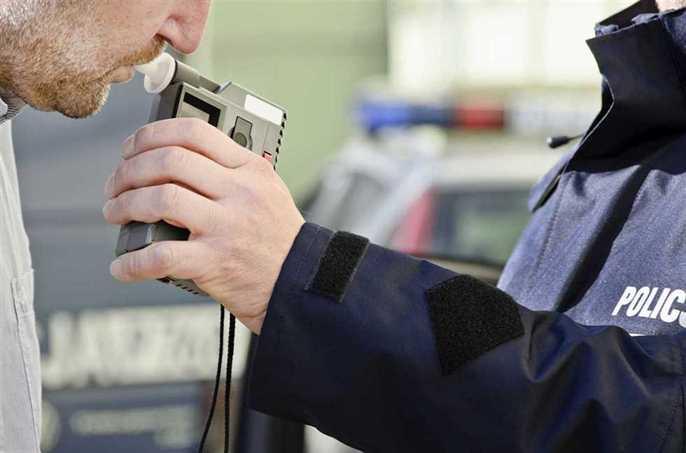
During a sobriety checkpoint, the police will test the driver using a breathalyzer. They may also test the other passengers in the car. Along with a breath test, the officer will check for other signs of impairment including incoordination, slurred speech, the scent of alcohol, flushed cheeks, and bloodshot eyes. If they suspect that you are intoxicated, they will get you to perform a Field Sobriety Test, used to measure the driver’s ability to focus and balance. A few tests that you may be subject to include:

Gaze test: Referred to as nystagmus, alcohol causes eye movements to become jerky and irregular. To test the gaze of the driver, the officer will ask them to follow their fingers from side-to-side while a flashlight illuminates their eyes.

Balance test: Since alcohol impairs coordination, this test gets the driver to stand with one foot off the ground. The officer looks for unsteady balance and hopping or swaying. Police may also ask the driver to walk in a straight line from heel to toe, turn around, and walk back. 

Concentration test: These tests involve focusing so police can test the cognitive abilities of the driver. They involve tasks like counting or saying the alphabet. 

How effective are sobriety checkpoints? A systematic review by the CDC found that sobriety checkpoints reduced overall crashes and damages by 20%. One statistic that’s more difficult to measure is how public awareness of these checkpoints influences drivers. They may be less likely to drive while impaired when they know that they could be pulled over by an officer. Considering that the ultimate goal of these checkpoints is to stop drinking/drugging and driving (not necessarily to make arrests), they have proven to be effective because of the public’s awareness.

If you’ve ever been pulled over when you’re driving, then you’re familiar with the pit of fear that forms in your stomach. When you are charged at a sobriety checkpoint, you’ll need a Winnipeg DUI lawyer. This type of charge can have serious consequences, including fines and the withdrawal of your license. At Brodsky Amy & Gould, we will review your case and create a reasonable defence for you; contact us today and we’ll look at your best options.

The post What Are Sobriety Checkpoints? appeared first on Brodsky Amy & Gould.

source https://gregbrodsky.ca/what-are-sobriety-checkpoints/?utm_source=rss&utm_medium=rss&utm_campaign=what-are-sobriety-checkpoints

What Is The Difference Between Trial Courts & Appellate?

Did you know that a verdict isn’t always final? There are ways for the defendant or the prosecutor to have their case heard again once the judge has made a ruling. Most citizens know what a trial is, especially if they’ve attended one during jury duty. But not many know what an appellate court is and how it varies from a trial. To help you understand both courts, we’ll go over the main functions of each, and how they differ:

Trial Courts

When people picture court cases, a trial court is typically what they see; it’s the one commonly represented in TV shows and movies. This court is composed of a jury (a group of citizens who must make a unanimous decision about the verdict) and a judge or panel of judges. Both the defendant (who represents the person charged) and the prosecutor (who presents evidence against the accused person) submit opening and closing arguments. Evidence is examined by the judges; it includes eyewitnesses, police reports, and testimonies. In the courtroom, there may be reporters, the victim(s), and a witness support worker to help those testifying against the accused. The trial concludes when the judge and jury reach a verdict of either guilty or not guilty. 

Most cases are settled at the trial, but there are exceptions. If either of the parties believes that the verdict does not consider the full scope of the law, the trial will be taken to the appellate court. But an appeal is not the same as a second trial; there are a few key differences that separate these courts. 

Appellate Courts

After a trial has reached a verdict, either party has a legal right to file for an appeal. This is like an intermediate stage between a trial court and the Supreme Court of Canada. A hearing occurs after the initial trial, but before that trial would go to a higher court. If new evidence is discovered that was not considered in the initial trial, it is rarely taken up in the appellate court—an appeal’s primary concern is whether the law was applied correctly. No witnesses or evidence are present at the appeal; it relies on what has already been brought forth at the trial rather than presenting new arguments. When the appellate court concludes, the panel of judges will decide if the initial verdict was fair, if it should be reversed, or they will schedule another trial for the case.

In the event that a party is still dissatisfied with the verdict, they can appeal to the Supreme Court of Canada (the final level of hearings) for another review, but it’s unlikely that it will be heard; in 2019, the Court received 517 appeal applications but heard only 67 of them

If you believe your trial was not held fairly, and involved bias or misapplication of the law, you need to meet with an appeals lawyer in Winnipeg. At Brodsky Amy & Gould, our firm has a proven track record in appellate court. Contact us today to speak with an experienced lawyer who can help get your case heard.

The post What Is The Difference Between Trial Courts & Appellate? appeared first on Brodsky Amy & Gould.

source https://gregbrodsky.ca/what-is-the-difference-between-trial-courts-appellate/?utm_source=rss&utm_medium=rss&utm_campaign=what-is-the-difference-between-trial-courts-appellate

What Are Considered Violent Crimes In Canada?

In every country, laws surrounding violent crimes differ, but most places make the distinction between violent and non-violent crimes. Examples of non-violent crimes include property damage, speeding tickets, and prostitution. A violent crime entails harm or the threat of harm to another person. According to Canada’s criminal code, acts that constitute violent crimes are as follows:

Homicide and attempted murder. When a victim is killed by another person, a violent crime has been committed. Attempted murder occurs when a killing is unsuccessful but was intended and planned by the accused. Premeditated homicide typically carries the longest sentence. Distinctions are made between first-degree and second-degree murder: homicide (first-degree) results in the planned and intentional death of a victim, whereas manslaughter (second-degree) is not premeditated and can be involuntary (such as in a car accident). Infanticide occurs when a mother causes the death of her newborn child either intentionally or through neglect; this act carries a prison sentence of up to five years. There are some that oppose the classification of infanticide because it discriminates against the accused person based on their sex.

Physical and sexual assault. A violent crime in this category involves physical or emotional harm to the victim. Assaultive behaviour is also considered a violent crime; this includes making threats. An assault charge can result even when no physical contact is made, such as the sex crime of indecent exposure. Rape charges are made when a victim is forced into a sexual act without their consent, and is called statutory rape if they are younger than the age of consent. Physical aggravated assault charges like kidnapping, domestic violence, or battery are considered felonies. When the use of a weapon is involved in the crime, the penalty typically increases.

Robbery. Forcibly stealing items of value from another person is classified as robbery. In 2018, there were 2663 robberies in Manitoba. While robbery is a form of theft, there is a difference between the two. Theft is distinct from robbery because it does not always involve violence. In the case of robbery, there is a clear intent of violence toward those who resist the act of being stolen from. The accused person may use violence or the threat of violence to obtain the item(s) from the victim, including the use of a firearm. They may instill fear of death or bodily harm in the victim to take the object(s), either by using verbal threats or intimidating them with a weapon. A robbery may take place at an individual’s residence or at an institution, like a bank. 

The legal ramifications of an assault charge are incredibly serious, ranging from jail time to a life sentence; the penalty will vary depending on the level of harm that the victim endured. Having legal representation is imperative in these matters due to the severity of the punishments that can result. If you are accused of a violent crime, you’ll need Winnipeg criminal defence lawyers. At Brodsky Amy & Gould, you’ll meet with an attorney who can prepare a strong case for you. Contact us today for legal assistance from experienced and dedicated criminal lawyers.

The post What Are Considered Violent Crimes In Canada? appeared first on Brodsky Amy & Gould.

source https://gregbrodsky.ca/what-are-considered-violent-crimes-in-canada/?utm_source=rss&utm_medium=rss&utm_campaign=what-are-considered-violent-crimes-in-canada

What Is “Disclosure” In Criminal Matters

If you have been accused of a crime, one of your rights is to know the charges and evidence gathered against you. This is known as disclosure – it is the Crown’s duty to share relevant case information with the accused. For you and your criminal lawyer to make a proper defence, you must receive a copy of this information. Without disclosure, an accused person will not be able to answer and defend themselves fully against the crimes they are being charged with.

This right was won in a historic court case known as R v Stinchcombe. In this trial, the accused requested statements that were made by witnesses; it was believed that these statements contained information that would benefit their defence. The Crown refused to disclose these documents. Ultimately, this decision was overruled by the Supreme Court of Canada – they argued that the Crown was obligated to disclose this evidence to the accused person. This case set the precedent for disclosure in court: all relevant evidence, whether it’s favourable or not, must be shared with the defendant. This allows the accused person to understand the charges brought against them and prepare a suitable defence.

At your first court appearance, you should ask the Crown for your disclosure. The Crown may not always provide it, but it’s important to ask regardless. To build a proper defence for your case, you and your lawyer will need disclosure of the evidence brought against you. If you do not receive your disclosure at your first court date, keep asking for it at every subsequent appearance leading up to your trial.

The documents contained in your disclosure package may vary. In your disclosure, you may find medical records, financial documents, forensic reports, witness statements, notes from the police officer, surveillance photos or videos, and a police summary or synopsis of your case. The synopsis is the Crown’s written account of what transpired during the event that resulted in your charges. The disclosure package may also include a Crown Screening form; this will include information like what sentence will be given to you, what happens if you plead innocent or guilty, and whether a diversion has been approved. All information that’s relevant to your case should be included in your disclosure. If you suspect that some evidence is missing, you can bring this forward to the court.

After receiving your disclosure, the next step is figuring out how to factor this information into your defence. Some statements may be favourable to you and help you build a strong case for yourself. A criminal lawyer can help you comprehend the scope of your disclosure and find ways to answer some allegations within it. If you receive a copy of surveillance footage, your lawyer can examine it and determine whether it’s valid or not. Disclosure is a right that belongs to every individual accused of a crime. Without it, the defendant will not be able to answer fully to the charges brought against them. When you receive your disclosure package, you will need help from a Winnipeg criminal lawyer. Contact Brodsky Amy & Gould for representation from experienced and dedicated criminal lawyers. We’ll make sure that you receive your disclosure package and help you use its contents to build a strong case.

The post What Is “Disclosure” In Criminal Matters appeared first on Brodsky Amy & Gould.
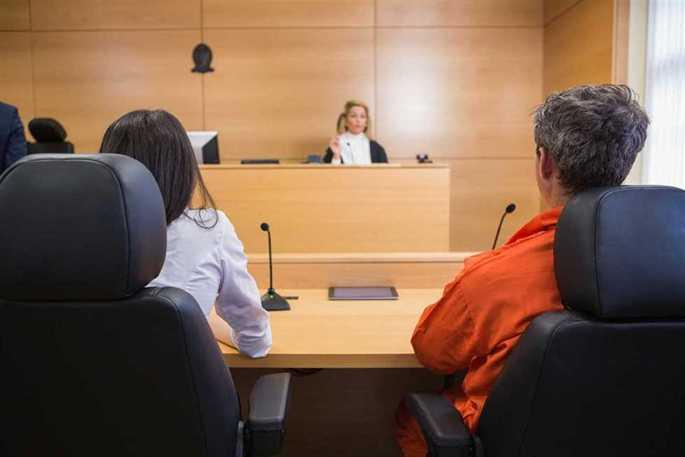
source https://gregbrodsky.ca/what-is-disclosure-in-criminal-matters/?utm_source=rss&utm_medium=rss&utm_campaign=what-is-disclosure-in-criminal-matters

Election & Plea

If you are charged with a criminal offence, you may be wondering what kind of trial you can have and what pleas you can make. Staying informed will help to protect your rights. Once charges have been issued, you will have several important decisions to make that will affect the outcome of your case. To learn about the electives given to an accused person, and the pleas available, keep reading:

Elections are options given to an accused person after they’re charged with an indictable offence. The Crown decides whether they will warrant summary conviction proceedings or an indictment. The first is a less serious offence, which takes place in a provincial court. With an indictment, there will be a longer sentence if the trial results in a conviction – for this reason, the person can elect for which method of trial they want. They can pick between three methods of being tried: The defendant can choose to have a trial by a Provincial Court judge (no jury), a Supreme Court judge and jury, or a Supreme Court judge without a jury. 

If the accused person chooses to have their trial in Supreme Court, they then must decide whether they want a preliminary inquiry, in which the judge reviews the evidence in their case to decide if there’s enough to require a trial. If it’s found that there is not enough evidence, then the accused person is discharged and the case is dismissed. A preliminary inquiry can help you if you want to hear the case against you, or you want the Crown to be aware of the weaknesses in the prosecutor’s case. But it may not be to your benefit if it delays your trial or gives the prosecutor time to fix the weaknesses in their case. To decide which course of action is best for you, it’s best to consult a criminal defence lawyer.

In Canada, three pleas are available to those who are accused. They can plead guilty, not guilty, or a special plea that is authorized by the criminal code. If you plead not guilty, then you are denying the charges against you by the Crown Prosecutor. It results in a dispute – the accused person thinks they should be acquitted, while the prosecutor seeks their conviction. A trial will be scheduled in which a judge will settle the issue. Pleading guilty results in sentencing. It means that the accused person is admitting that they have committed the crime(s) they’ve been charged with. The length of the sentence will depend on a range of factors and is up to the judge’s discretion.

The special pleas are autrefois convict or autrefois acquit. Autrefois convict, French for previously convicted, is when the defendant claims they have already been convicted of the same offense, and therefore cannot be tried for it a second time. If an accused person pleads autrefois acquit, then they are claiming that they’ve already been acquitted for this offence. Finally, there is the plea of pardon – it asks the government to relieve the accused person of the consequences of their conviction. 

To assist with making these decisions, you will need trusted advice from a well-versed attorney. Winnipeg criminal law firms can give you the representation that you need. One of the experienced lawyers at Brodsky Amy & Gould will review your options with you and help you with your case.

The post Election & Plea appeared first on Brodsky Amy & Gould.
source https://gregbrodsky.ca/election-and-plea/?utm_source=rss&utm_medium=rss&utm_campaign=election-and-plea

What Is An Arrest Warrant?

If the police have a reasonable cause to believe that you have committed a crime, they can have a warrant signed by a judge that will call for your arrest. But what is an arrest warrant, and what should you do if you receive one? This article will outline the steps that you should take to protect yourself against criminal prosecution: 

First, read over the warrant document and inspect that the information is correct – review the name, address, and other details. If the police are asking questions, you should refrain from answering – you may incriminate yourself, or provide incorrect information that can be considered an obstruction of justice.

An arrest warrant gives police the ability to take custody of the suspect. They must have a probable cause for believing that you have committed a crime or violated bail conditions. Police can arrest an individual without a warrant if they witness them commit an offence, and it must contain a reasonable cause that is specific to the person being accused. A description that is too vague will not hold up in court. Arrest warrants do not expire – they remain valid until they are dealt with. Depending on the warrant, it may give the police permission to seize a belonging, search your property, or arrest you – this will require you to turn yourself in at a police station. They are also able to put you in jail. At this point, the warrant is considered executed. 

What can cause police to issue a warrant? When an individual is suspected of a crime, the police will write up a warrant to make a lawful arrest. If a person is out on bail and violates the conditions, they may receive an arrest warrant. Alternatively, if someone has been summoned to appear in court, but has failed to do so, then they will be given a bench warrant. This document, which is signed by a judge, will contain the name of the accused and information about the charges that are being pressed. After the document is issued, the police are granted authority to take the suspect into custody. 

After the warrant has been issued, what should you do? Know that you are not required to answer the questions of the police; you have the right to remain silent. Giving statements without counsel with your lawyer first can result in the police using your claims against you. All you need to say is, “I want to contact my lawyer.” If the police continue to question you, you can remain silent. You can also say that you refuse to answer or give a statement, and if they continue pressuring you, you can repeat yourself. The police are mandated to provide you a telephone to contact a lawyer – you also have a right to talk to a lawyer in private. Under these circumstances, you will need a criminal lawyer. When it comes to the law, you want to trust that your case is in the best hands. 

If you are charged with a crime, the best course of action is to contact Winnipeg defence lawyers. At Brodsky Amy & Gould, we can help you understand what to do when you receive an arrest warrant. The criminal lawyers at our firm provide expert legal advice that will help you navigate the complexities of a charge. Our attorneys will tell you how to answer questions posed by law enforcers so that you do not incriminate yourself.

The post What Is An Arrest Warrant? appeared first on Brodsky Amy & Gould.

source https://gregbrodsky.ca/what-is-an-arrest-warrant/?utm_source=rss&utm_medium=rss&utm_campaign=what-is-an-arrest-warrant

Design a site like this with WordPress.com
Get started